Choosing bathroom tile sets the tone for longevity, maintenance, and daily comfort. This guide blends design ideas with practical, installer-friendly insights to help you select tiles that endure moisture-rich environments while matching your style. Drawing on professional experience with bathroom renovations, I’ll explain materials, layouts, and care strategies to help you make informed decisions.
Understanding bathroom tile basics
Bathroom tiles must resist water, humidity, and daily wear. The best options provide slip resistance on floors, durable surfaces for walls, and compatible finishes with trending aesthetics. When planning, think about four core factors: water exposure, slip resistance, ease of cleaning, and budget.
Popular tile materials for bathrooms
Ceramic tile
Ceramic tiles are affordable, versatile, and available in a wide range of colors and patterns. They’re moisture-tolerant, easy to cut, and suitable for walls and some floors. Look for a glazed surface with a hardness rating appropriate for light to moderate traffic. For showers and heavy-use floors, pair ceramic with a higher-rated glaze or opt for porcelain.
Porcelain tile
Porcelain is a dense, low-porosity tile that handles moisture well and resists staining. It’s ideal for shower enclosures and floors. While it costs more than basic ceramic, its durability and size options (including large-format tiles) often reduce grout lines and maintenance over time.
Natural stone and glass
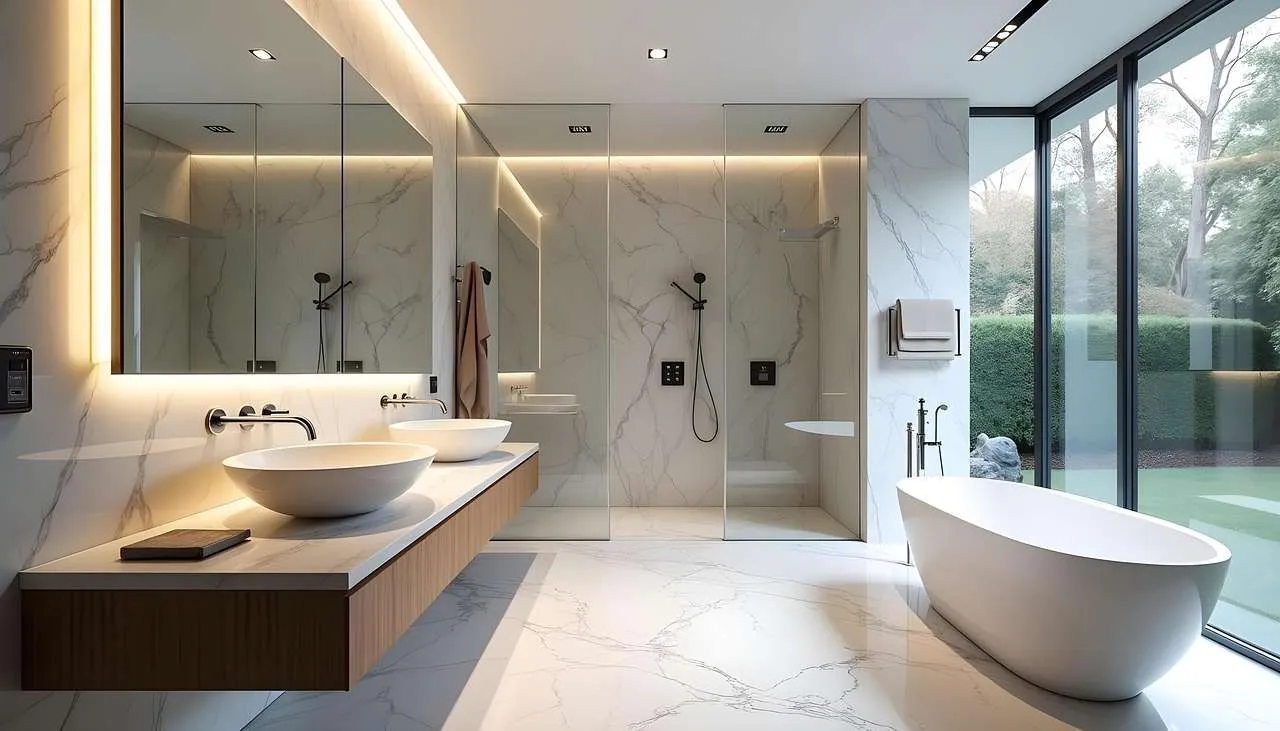
Natural stone (marble, travertine, or limestone) brings luxury but requires sealing and ongoing care to prevent etching and staining. Glass tiles offer shine and contemporary flair; they’re excellent for backsplashes and shower niches but can show soap scum and require careful cleaning. Both options typically demand higher installation costs and maintenance planning.
Design considerations: color, size, and layout
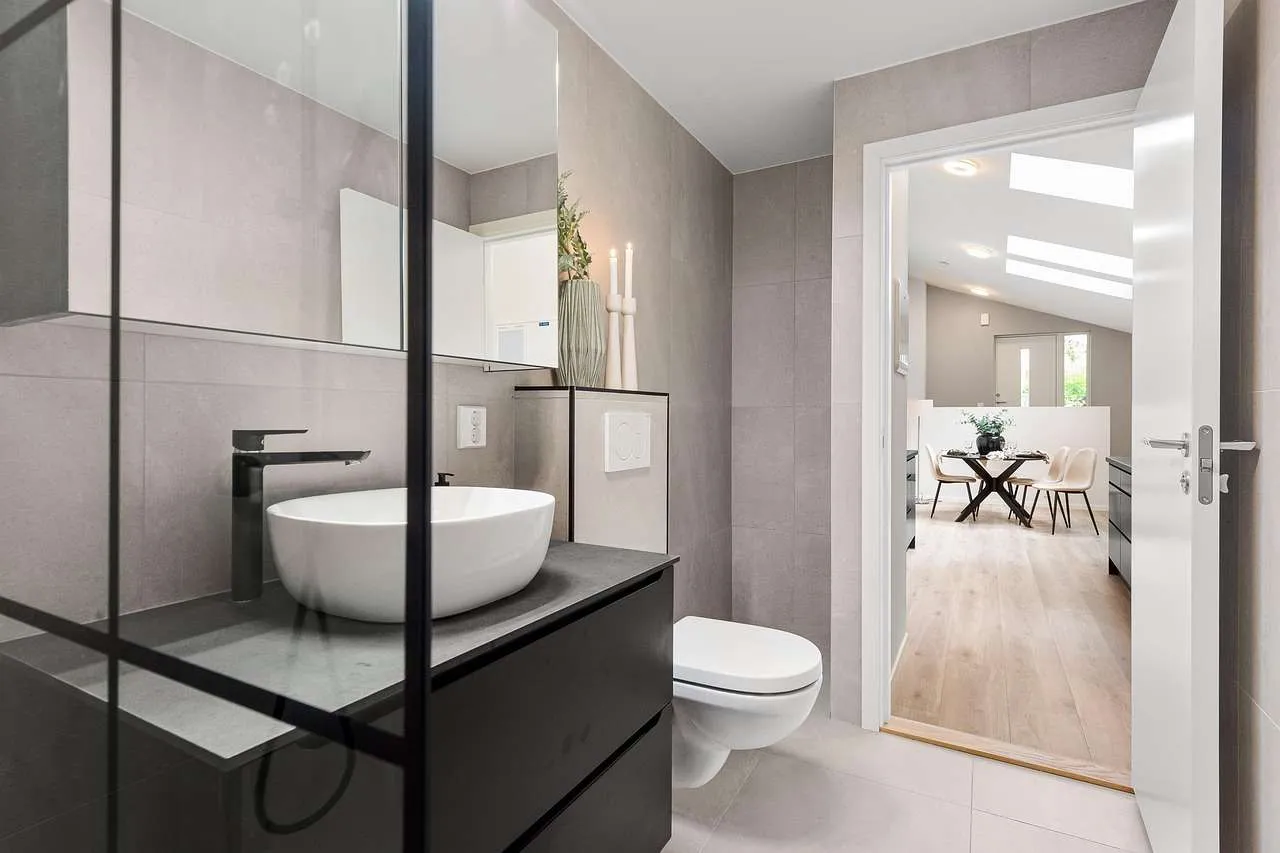
Color can visually expand or calm a space. Light neutrals brighten small bathrooms; bold tones create focal walls or accents. Tile size matters: large-format tiles reduce grout lines and read as a seamless surface, while small mosaics offer traction and detail in showers. For floors, aim for textures with slip resistance (a minimum COF rating) and choose grout colors that minimize staining. Consistency across wall and floor tile can unify the space, but mixing textures—matte floors with glossy walls—adds depth when done cautiously.
Installation and care essentials
Proper surface prep is key. Ensure a clean, flat substrate, with a moisture barrier behind bathroom walls or floors where needed. Use high-quality thinset mortar appropriate for the tile material, and select sanded grout for wider joints to prevent cracking. Seal porous stones, and schedule re-sealing for natural stone every 1–3 years depending on use. Regular cleaning with non-abrasive products keeps grout and tiles looking new.
Budgeting and buying guide
Costs vary by material, size, and installation complexity. Ceramic tile commonly runs $2–5 per square foot, porcelain $3–7, and natural stone can exceed $10 per square foot plus sealing. Labor costs add 50–70% to material prices and depend on tile size, layout, and bathroom geometry. Plan for waste and substrate preparation, waterproofing, and potential repairs to waterproofing in older homes.
At-a-glance comparison
| Tile Type | Durability | Water Resistance | Maintenance | Typical Cost |
|---|---|---|---|---|
| Ceramic | Moderate | Good for walls, decent for floors | Low to moderate | Low |
| Porcelain | High | Excellent | Low | Moderate |
| Natural Stone | Varies | Porous unless sealed | High | High |
| Glass | Moderate | Excellent on walls | Moderate | Moderate |
Tip: Always verify certifications like abrasion ratings, slip resistance, and warranty coverage from manufacturers or licensed installers. For best results, pair tile selection with proper waterproofing and professional installation to ensure long-term performance.
Summary, selecting bathroom tile involves balancing performance with design. Ceramic and porcelain deliver durability and value, natural stone offers luxury with upkeep, and thoughtful layout choices reduce maintenance. With proper installation and regular sealing, your bathroom tile can remain beautiful for years to come.