Choosing bathroom tiles is more than style — it's about durability, safety, and long-term maintenance. This guide provides expert insights into tile types, materials, layouts, and care to help you make an informed decision.
Types of Bathroom Tiles
Ceramic Tiles
Ceramic tiles are affordable, versatile and easy to cut, making them ideal for DIY projects. They are softer than porcelain and can be more prone to chipping, but with proper grouting and sealing they perform well in most residential bathrooms.
Porcelain Tiles
Porcelain is a dense, low-porosity tile that resists water and stains, making it a preferred choice for floors and wet areas. It tends to be pricier and heavier but offers superior durability and a more uniform appearance.
Natural Stone Tiles
Stone tiles such as marble, travertine, and slate create luxury looks but require sealing and maintenance to prevent etching and staining. They offer unique veining and warmth but may have higher lifetime costs.
Glass Tiles
Glass tiles add reflection and a sense of space, often used as accents or backsplashes. They can be slippery when wet and may require professional installation to ensure proper grout lines and sealing.
Mosaic and Subway Tiles
Mosaic tiles and classic subway sizes offer endless patterns and textures. Small tiles can hide imperfect walls, while large formats reduce grout lines but demand precise surface preparation.
Design, Size, and Layout Considerations
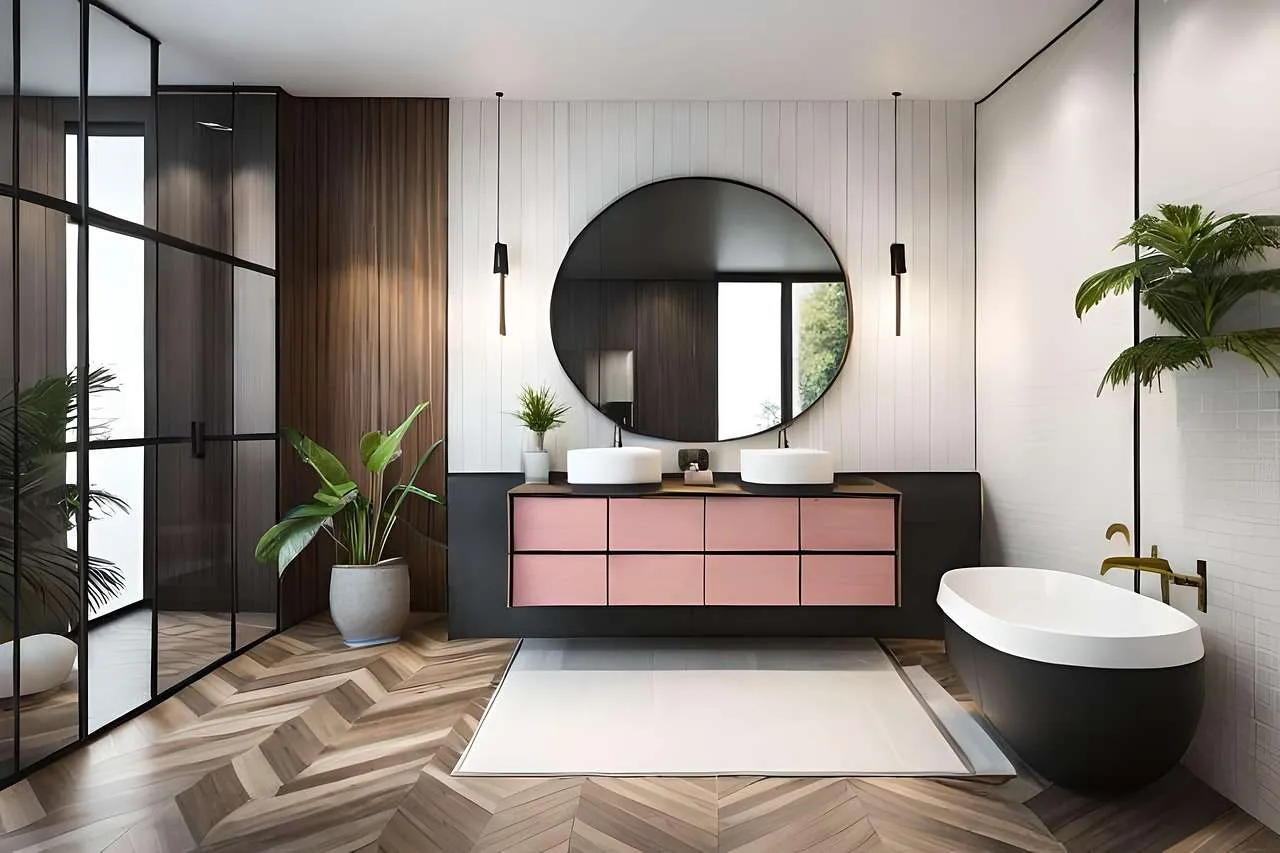
Tile size impacts perceived space: larger formats like 12x24 or 24x24 create a modern, seamless look, while smaller 4x4 or 2x2 tiles can offer visual interest and better slip resistance. Consider layout patterns such as grid, running bond, herringbone, or basketweave to add personality. Color choices should coordinate with vanity, countertops and lighting; lighter shades brighten small baths, while darker tones create drama in larger spaces. For wet zones, a coordinating border or accent tile can define the shower area without overwhelming the room.
Maintenance, Durability, and Care
Proper maintenance extends tile life. Seal grout lines when appropriate (especially for porous stones) and use pH-neutral cleaners to protect the tile glaze. Porcelain and ceramic tiles are generally easy to clean, while natural stone requires periodic sealing and gentle stone-safe cleaners. Pay attention to slip resistance ratings (R11 or higher for floors) and ensure floor transitions are smooth to avoid trips.
Installation and Budget Considerations
DIY tiling is feasible for small projects with careful preparation, but professional installation ensures waterproofing and precise alignment, particularly in wet areas. Budget factors include tile cost, underlayment, waterproofing membranes, grout, and labor. Porcelain and large-format tiles may reduce grout lines and labor time, while mosaic sheets can increase both cost and flexibility in design.
Quick Comparison
| Tile Type | Pros | Cons | Best For | Price Range |
|---|---|---|---|---|
| Ceramic | Affordable, easy to cut | Soft; frequent chipping if heavy traffic | Budget bathrooms, backsplashes | Low |
| Porcelain | Water resistant, durable | Heavier, pricier | Floors and wet zones | Medium-High |
| Natural Stone | Unique, luxurious look | Sealing, maintenance | Showers, countertops with care | Medium-High |
| Glass/Mosaic | Bright, reflective, stylish | Slippery, installation-sensitive | Accent walls, backsplash | Medium |
Each option has its place; the right choice depends on your bathroom’s size, moisture exposure, and maintenance willingness. A professional can help match substrate, underlayment, and waterproofing to your tile selection, ensuring a durable, water-tight install across years of use.
Conclusion, choosing bathroom tiles involves balancing aesthetics with performance: match tile type to the room’s traffic and moisture, select appropriate sizes and patterns to enhance space, plan sealing and cleaning routines, and hire skilled installers when needed to ensure quality and longevity.