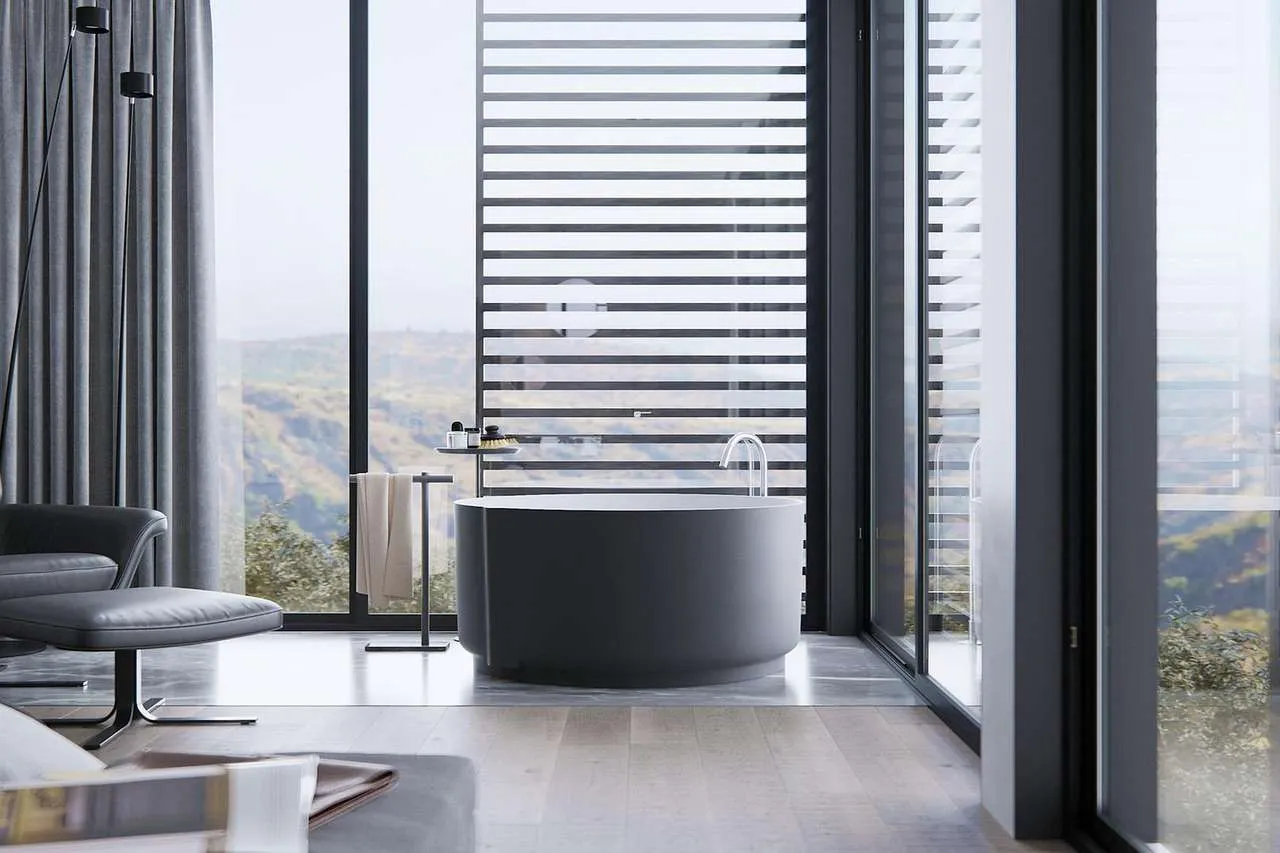
Choosing a home window tint is a practical upgrade that combines comfort with energy efficiency. If you search for home window tinting near me, you’re likely looking for a local, reliable solution that fits your budget and climate. This guide explains what to expect, how to choose an installer, and how tinting can protect your family and furnishings over time.
Why tint your home windows
Window film can reduce heat gain, block UV rays, cut glare, and add privacy. Modern films reject heat while staying clear enough to maintain visibility. For many homes, a properly selected tint lowers cooling costs in hot seasons and protects interior fabrics from fading.
How to find home window tinting near me
Start with local searches and read reviews from homeowners in your area. Look for installers who specialize in residential tinting, not car-only services. Verify licenses where required, ask for manufacturer certifications, and request a portfolio of previous installations. Ask for a written estimate that includes film type, VLT percentage, workmanship warranty, and lead time.
Tint options for homes
Window films come in several families. Each has trade-offs in appearance, heat rejection, and cost. The right choice depends on climate, window orientation, and privacy needs. The main options are described in the table below.
| Tint Type | Pros | Cons | Typical Cost per Window | Warranty |
|---|---|---|---|---|
| Dyed tint | Good color, lowest cost | Fades over time | 20-50 | 5-7 years |
| Metallic/metalized | Excellent heat rejection | Interferes with electronics | 30-60 | 7-10 years |
| Ceramic | Strong UV/heat rejection, non-reflective | Higher cost | 40-100 | 12-15 years |
| Hybrid | Balanced performance | Moderate cost | 30-80 | 8-12 years |
| Low-emissivity/low-e film | High energy savings | Premium price | 50-150 | 12-15 years |
Notes: Costs vary by window size, shape, and installation complexity. Larger homes or specialty glass may require professional handling and budget adjustments.
What to ask before you commit
Ask about film brands and certifications, such as producer warranties, the installer’s certifications, and the expected life of the tint. Request samples to compare color neutrality and glare reduction. Inquire about the installation process, downtime, moisture checks, and whether windows will be cleaned after film application.
Maintenance and care
Most films are cleaned with a soft, non-abrasive cloth and mild soap. Avoid ammonia-based cleaners that can degrade the adhesive or film over time. Regular inspection helps catch edge-peeling or bubbling early, allowing for prompt service under warranty.
Costs, savings, and regulatory considerations
Prices vary by film type and window size. Expect a typical range per window from the table above, plus possible removal or reapplication costs when replacing aging film. Energy savings depend on climate and orientation; homes with south and west-facing windows often see larger gains. Some jurisdictions or HOAs may have guidelines for exterior appearance, reflectivity, or glare; verify compliance before scheduling installation.
Choosing a trusted local provider
For trustworthy results, prioritize local companies with documented experience in residential tinting. Look for customer testimonials, before-after photos, and transparent warranties. Ask about the installer’s process for protecting window seals and frames, and whether they remove and re-install blinds or curtains during installation.
Conclusion, selecting the right tint type and a qualified installer can deliver comfort, energy savings, and interior protection for years to come. Start by researching local options, reviewing credentials, and requesting detailed quotes to compare value rather than price alone. A well-chosen home window tint can transform living spaces without compromising views or daylight.